If you’ve already decided on Germany, the next decision is bigger than most recruiters admit: where you land determines your net purchasing power, your visa timeline, and whether you’ll work in English or spend evenings grinding through Duolingo. The best cities for tech jobs in Germany 2026 are not interchangeable. Munich pays the most and costs the most. Berlin hires in English but runs the country’s most broken immigration office. Hamburg splits the difference. Frankfurt is fintech or nothing. Cologne and Leipzig give you more leftover money than any headline salary suggests. This article uses 2025–2026 salary, rent, immigration, and quality-of-life data to rank them honestly for international tech workers. (Still deciding between Germany and another country? Our Germany vs the Netherlands comparison tackles that question before you pick a city.)
| City | Best for | Median dev salary | 1BR rent (city centre) | English score (1–10) |
|---|---|---|---|---|
| Berlin | Startups, English-first roles | €70,000 | €1,486 | 9 |
| Munich | Corporate pay, quality of life | €73,000 | €1,638 | 7 |
| Hamburg | Balance of salary and cost | €65,000 | €1,332 | 6 |
| Frankfurt | Fintech, international travel | €67,000 | €1,329 | 8 |
| Cologne | Media, gaming, affordability | €60,000 | €1,179 | 5 |
| Stuttgart | Automotive/embedded premium | €77,000 | €1,254 | 5 |
| Leipzig | Cheapest rent, growing scene | €55,000 | €811 | 4 |
Berlin in 2026: best for startups and English speakers
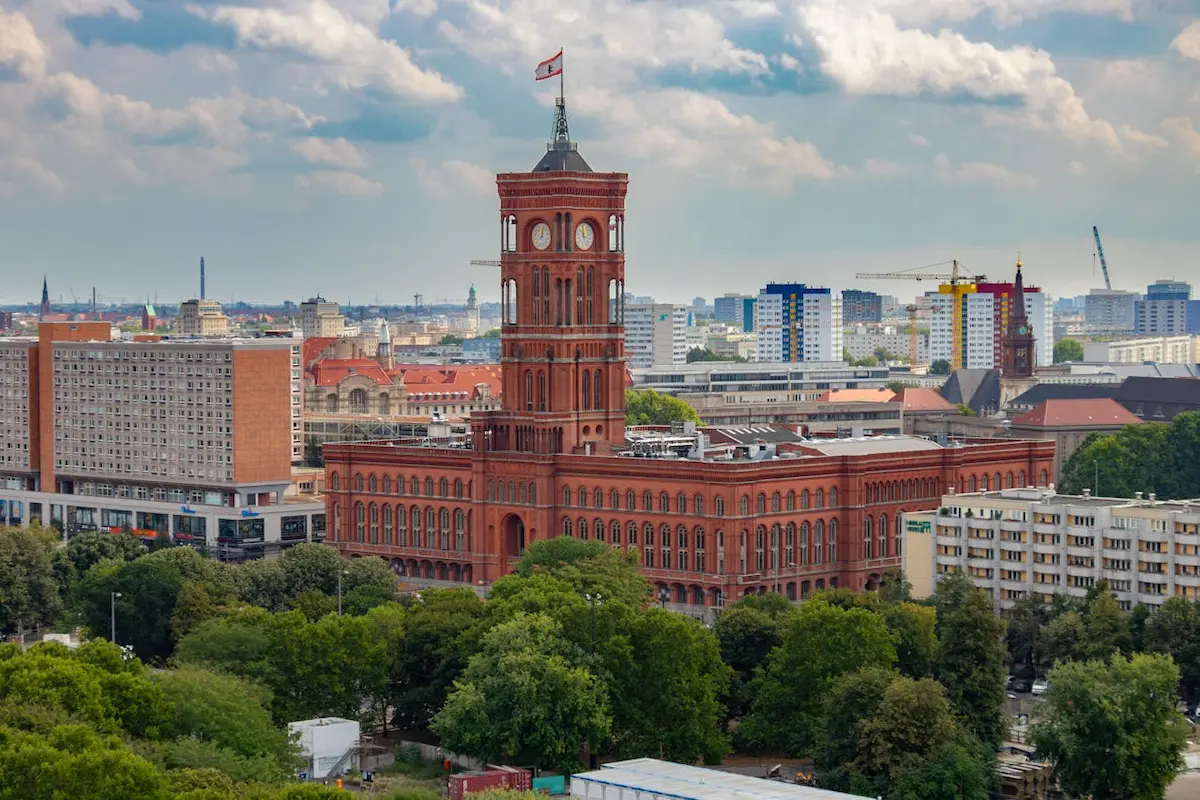
Berlin remains the default answer for international tech workers, and the data still backs it. The Berlin Startup Ecosystem Report 2025 pegs the city at 43% of Germany’s total startup value, 57 unicorns, and roughly 90,000 startup employees. The Rocket Internet lineage alone — Zalando, HelloFresh, Delivery Hero — still accounts for tens of thousands of engineering roles, and is now joined by N26, Trade Republic (Germany’s most valuable private company at a €12.5B valuation), Contentful, GetYourGuide, Babbel, Solaris, and climate-tech leader Enpal. LinkedIn showed 3,000+ open software engineer roles in Berlin in April 2026, tied with Munich for the highest count in the country. You can explore Berlin tech jobs or jump straight to Berlin job listings.
Salary reality is more nuanced than startup hype suggests. Stepstone’s Gehaltsreport 2026 puts Berlin’s city-wide median around €55,000–58,000 across all roles; the Handpicked Berlin 2025 community survey of 285 software ICs reports a median of €84,000 and an average of €88,307. The truth sits between them: juniors land at €50,000–58,000, mid-level engineers at €65,000–85,000, and seniors clear €85,000–110,000, with DevOps and staff-level engineers at scale-ups pushing €115,000 base. Total compensation at top Berlin tech companies (Trade Republic, N26 senior roles, FAANG satellites) is competitive with Munich but rarely exceeds it.
What Berlin genuinely wins is language access. Roughly 14% of job listings are posted in English — the highest share in Germany — and startup working languages are overwhelmingly English. The Deutscher Startup Monitor 2025 found 56% of Berlin startups operate primarily in English and 42% of their staff are foreign-born. For an expat tech worker, this single statistic is why Berlin beats Munich on day-to-day friction. (For the full list of German employers that hire in English — and the honest career ceiling if you never learn German — see Working in Germany Without Speaking German.)
The bureaucracy tells the opposite story. Berlin’s Landesamt für Einwanderung abolished its appointment system in January 2025 after bots overwhelmed it, replacing it with a contact form and a queue. In 2025, response times ran 10–16 weeks, and residence-permit appointments, once assigned, often sat 3–6 months in the future. Berlin’s Ausländerbehörde is genuinely one of the worst bureaucratic experiences in Western Europe. A citizenship backlog of ~27,000 applications now averages 2.4 years to process. If your visa status is complex or your timeline tight, Berlin will hurt — see our EU Blue Card Germany 2026 guide for the accelerated §81a procedure that routes around the Berlin LEA queue entirely.
Neighborhoods cluster by tribe. Mitte (€18–22/m²) suits executives and expense-account types. Prenzlauer Berg (€17–21/m²) is where mid-career engineers with kids end up. Friedrichshain and Kreuzberg (€16–18/m²) attract earlier-career and creative-side tech workers; Bergmannkiez and the Warschauer area remain the cultural heart. Further out, Neukölln, Wedding, and Lichtenberg are still livable on junior salaries, with Lichtenberg rents up 25% year-over-year as the spillover accelerates. A 2026 1BR city-centre average of €1,486/month understates central asking rents, which now routinely exceed €20/m² cold.
Munich in 2026: highest salaries, highest rent
Munich is the corporate-tech capital of Germany, and the numbers are unapologetically elite. The city hosts BMW, Siemens, Allianz, MAN, Munich Re, and Infineon headquarters, plus Microsoft Germany’s HQ in Unterschleißheim, Google’s largest engineering site in Germany, and Apple’s European Silicon Design Center with over 2,000 chip engineers. Celonis (valued above $13B with ~3,000 staff) is the anchor scale-up; Personio, Konux, Isar Aerospace, Lilium, FlixBus, Scalable Capital, and Commercetools round out the ecosystem. Bavaria actually outraised Berlin in 2025 VC funding (€2.3B versus €2.2B) — a milestone that flipped decades of Berlin dominance. Browse Munich tech jobs or see current Munich listings.
The Stepstone Gehaltsreport 2026 puts Munich’s city-wide median at €64,750 — the highest in Germany. For software engineers specifically, mid-level roles cluster at €70,000–85,000 and senior ICs regularly exceed €100,000 base at Google, Apple, Celonis, and Personio. DevOps and SRE seniors hit €100,000–115,000 base. Munich’s salary premium over Berlin runs roughly 7–10% at comparable experience levels — real, but not enormous. For the full gross-to-net math on these salaries, see Germany Net Salary in 2026: What Software Developers Actually Take Home.
The rent premium is enormous. ImmoScout24’s Q4 2025 WohnBarometer put Munich new-build asking rents at €26.53/m² — the highest in Germany, with existing stock around €15–16/m² Mietspiegel comparative rent but actual new lettings commonly €20–25/m². The 2026 1BR city-centre figure of €1,638/month is accurate for a reasonable flat but understates competitive bidding in Schwabing. Cold rent for a 45m² 1BR in Maxvorstadt or Schwabing-West runs €1,100–1,400 before utilities; warm rent lands in the €1,450–1,800 range. Munich’s 1BR is 45% more expensive than Cologne’s and 102% more expensive than Leipzig’s.
The neighborhoods tech workers actually want — Maxvorstadt (museums, universities, €23–26/m²), Schwabing (leafy, café-heavy, English Garden adjacent), Glockenbachviertel (nightlife, LGBTQ+), and Haidhausen (“French Quarter”) — are all in that premium band. Bogenhausen suits families; Trudering-Riem and Feldmoching-Hasenbergl offer the cheapest options at ~€18/m² but trade central access for sleepiness.
Munich’s KVR (Kreisverwaltungsreferat) is often cited as worse than Berlin’s LEA, which is a high bar. The official guidance is to apply at least 12 weeks before your visa expires, and settlement-permit processing runs 12–14 weeks from online submission to physical card. Walk-in queues at Poccistraße historically run 3–5 hours. A 2024 InterNations survey rated Munich the least friendly city in the world — partly a language issue, partly a reserved Bavarian service culture.
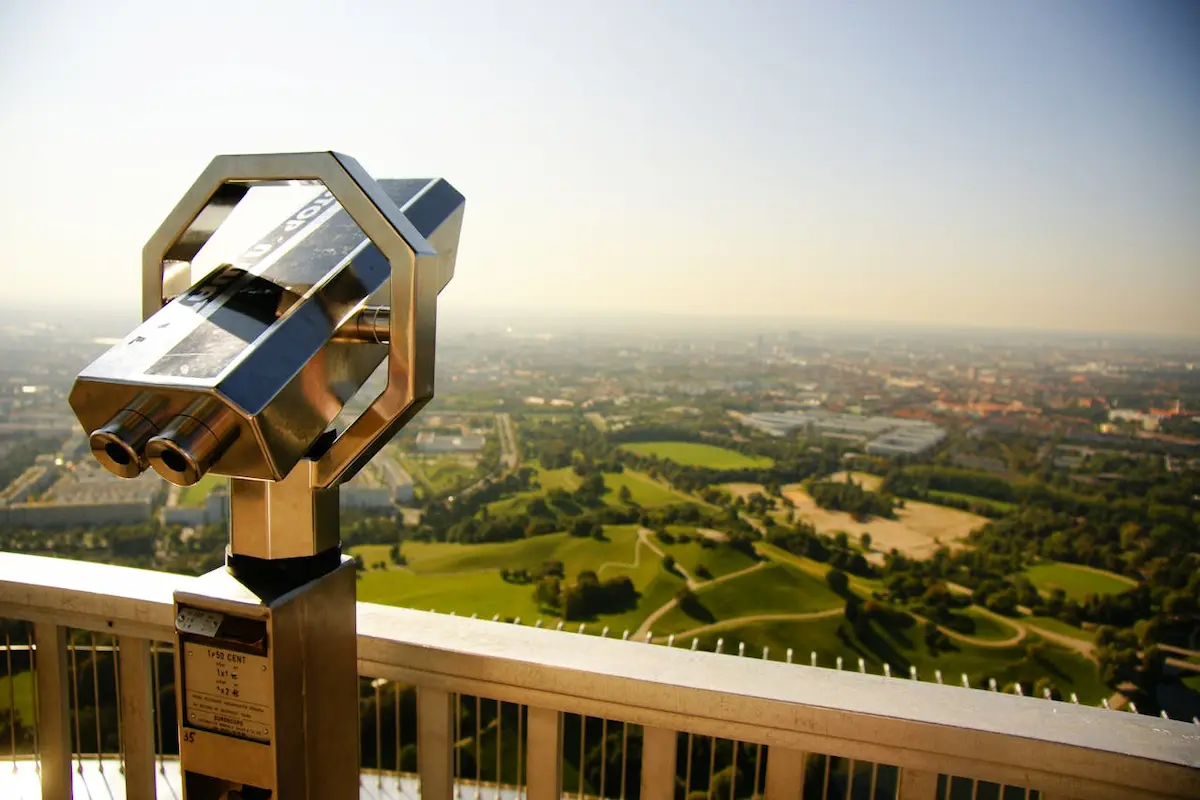
What Munich delivers in return is the best quality of life of the big three. Quality-of-life indices put Munich at 206.4 (2026), with safety at 78.9 (far ahead of Berlin’s 55.5) and the Alps within one hour by car. The English Garden (375 ha) is bigger than Central Park, the Isar is swimmable, and Lake Starnberg, Tegernsee, and the ski resorts at Garmisch are weekend trips. If you have kids or you prioritize the outdoors, Munich’s lifestyle advantage is real — you just pay for it twice, in rent and in German-language friction with Bavarian bureaucrats.
Hamburg in 2026: the underrated choice
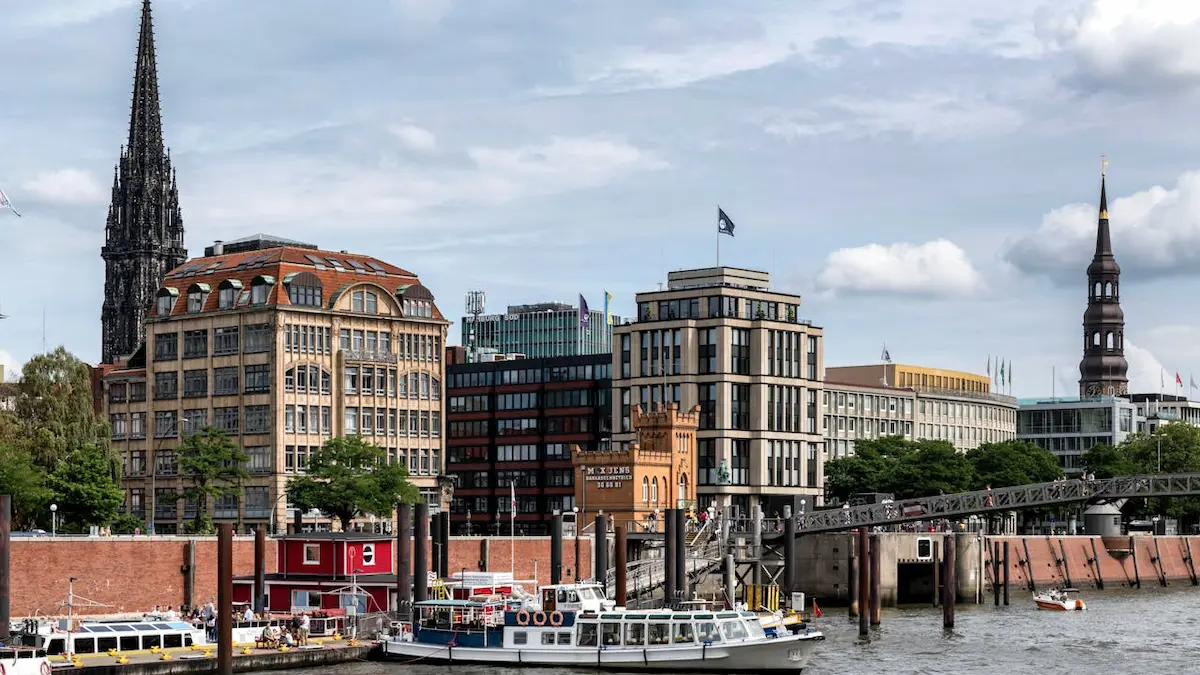
Hamburg is the most under-discussed option in every “best German cities for software developers” conversation, and the 2026 numbers suggest that’s a mistake. The city anchors a distinctive mix of e-commerce, media, aviation, and greentech: Otto Group (Germany’s largest e-commerce platform at 36,000+ employees), About You (Otto-owned fashion unicorn), XING / New Work SE (B2B professional networking), Airbus Finkenwerder (14,000+ employees at the world’s second-largest Airbus site), Statista, Jimdo, Freenet, Smava, and InnoGames. The Hamburg Startup Monitor 2025 counted 161 new startups founded in 2024 (+12% year-over-year), and the city hosts over 400 active tech startups. Hamburg tech jobs on iwill.work are a smaller pool than Berlin’s but denser than the population would suggest — LinkedIn showed 2,000+ open software engineer roles in April 2026, and current openings can be browsed on the Hamburg listings page.
Salary sits between Berlin and Munich: Stepstone’s 2026 Hamburg median across all jobs is €60,000, with software-specific mid-level roles at €60,000–80,000 and seniors at €80,000–100,000. Entry-level engineers start around €51,000. The difference versus Munich for a mid-level engineer is roughly €5,000–10,000 per year gross — meaningful, but often offset by rent.
Rent is the value story. The 2026 1BR city-centre figure is €1,332, and ImmoScout24’s Q1 2025 new-build asking rent was €17.65/m² — the slowest-growing rent among the major metros (+1.9% YoY). The catch is vacancy: Hamburg’s vacancy rate hit roughly 0.5% in June 2025, with central districts under 0.3%. Finding the apartment is harder than affording it. Neighborhood-wise, Sternschanze (hipster-creative, ~€21/m² for renovated) mirrors Berlin’s Kreuzberg; Altona/Ottensen (€15.70/m²) is trendy waterfront with family appeal; HafenCity is the premium modern-glass option with Unilever’s European HQ on site; Eimsbüttel (€15.51/m²) is the young-professional workhorse district. Harburg at €10.48/m² is the budget entry point for engineers willing to commute.
English access is where Hamburg underperforms. Roughly 8–10% of job listings are in English — below Berlin and Munich. Otto Group, About You, Airbus, and InnoGames run substantial English-language operations, but the traditional Hanseatic business culture still expects German. Hamburg placed 52nd of 53 in the 2024 InterNations Expat City Ranking, second-worst globally, with Ease of Settling In and Personal Finance particularly weak.
Immigration is middling. The Hamburg Welcome Centre’s first-permit appointment wait has been reported at roughly five months (144 days), though renewals at Bezirksämter typically clear in 4–8 weeks. That’s worse than Düsseldorf or Leipzig but better than Berlin’s indefinite contact-form purgatory.
Quality of life is genuinely strong: 2026 QoL Index 197.6, the second-highest of any major German city after Munich. The Alster Lake, Stadtpark, Planten un Blomen, and direct North Sea access all contribute. The weather is the worst of the three big cities — grey, wet, windy — but purchasing power (index 146.9) is actually the highest of the big three for an €85,000 earner. Hamburg is the answer for tech workers who want a Munich-adjacent quality of life without paying Munich rent, and who are willing to invest in German.
Frankfurt in 2026: fintech and finance salaries
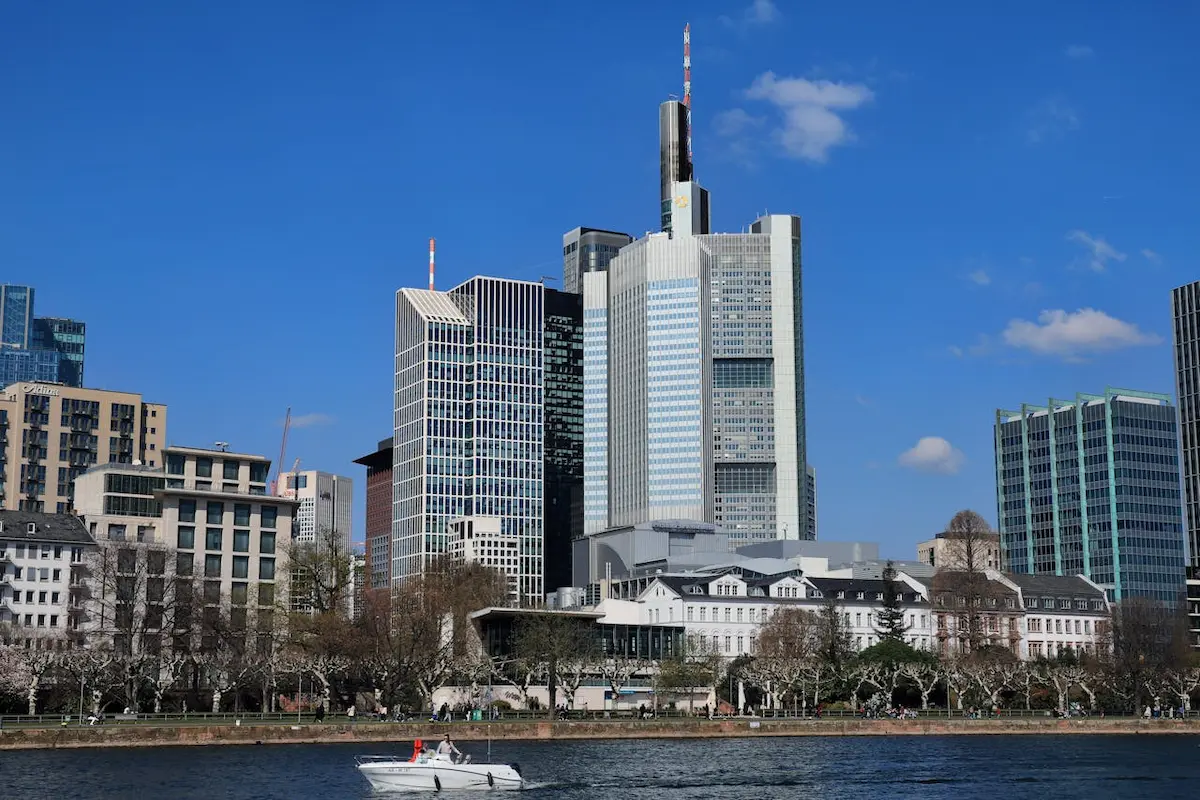
Frankfurt is the cleanest specialist play in Germany. As Europe’s 11th-largest financial centre (Global Financial Centres Index 37), it hosts 250+ financial institutions, the ECB, Deutsche Bundesbank, Deutsche Börse, and the new EU Anti-Money Laundering Authority (AMLA) — which opened in Frankfurt in 2025. Tech hiring here is dominated by bank engineering teams: Deutsche Bank, Commerzbank, DZ Bank, KfW, Goldman Sachs, JPMorgan (massively expanded post-Brexit), ING-DiBa, and Helaba. The TechQuartier accelerator anchors the fintech scene, with B2B and regulatory fintech (Deutsche Börse’s crypto platform, AQUATY, AAZZUR) the real specialty. See Frankfurt tech jobs or the live Frankfurt listings page.
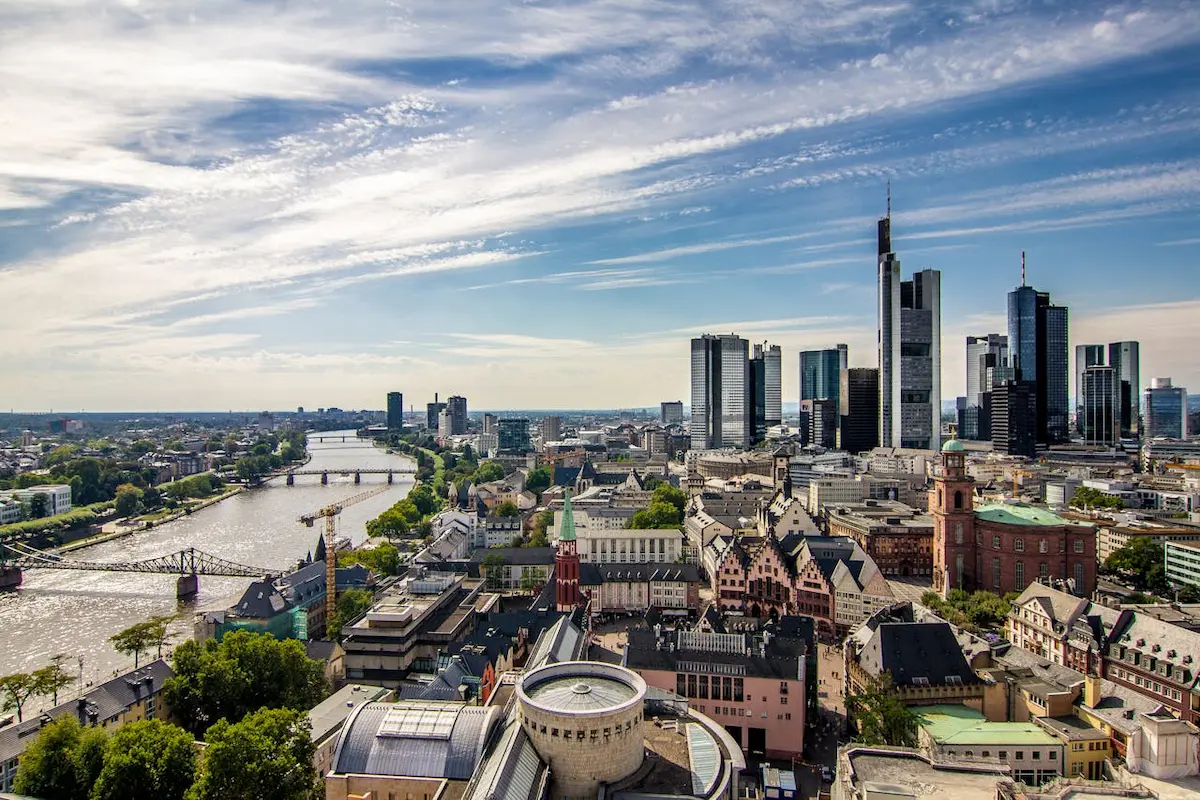
One correction matters: Frankfurt is not Germany’s consumer fintech capital. Berlin captures roughly 89% of German fintech investment and hosts N26, Trade Republic, Solaris, and Raisin. Frankfurt’s fintech strength is bank-adjacent enterprise tech, regtech, and infrastructure — which happens to be the highest-paying slice of the ecosystem.
Salaries reflect that premium. Stepstone’s 2026 Frankfurt city median is €64,000 — second only to Munich, and banking is officially Germany’s highest-paying industry at a €70,250 sector median. Senior SWEs cluster at €74,500–97,000 base per Levels.fyi data for Frankfurt 2025, with Glassdoor senior SWE medians at €80,000 and top decile at €112,000. Fintech specialists at Deutsche Börse, Goldman, and JPMorgan regularly clear €100,000 base with meaningful bonus multipliers. For a purely salary-maximizing engineer who doesn’t want to work on cars, Frankfurt is the second-best city in Germany.
Rent undercuts Munich significantly. 2026 puts 1BR city-centre at €1,329, with Westend commanding €18–25/m² (premium/banker district), Nordend-West at €18.04/m², Sachsenhausen at €16–22/m², and Bornheim at €14–19/m². New-build asking rents sit around €18.95/m² (ImmoScout Q1 2026). The outskirts — Fechenheim, Eckenheim, Griesheim — offer 1BR units at €800–1,200.
Frankfurt is the most English-capable city in Germany after Berlin. The ECB operates in English. Goldman, JPMorgan, and many Deutsche Bank teams do too. Mercer ranked Frankfurt 7th globally for quality of living in 2024. The city’s “small-town feel” despite being internationally connected is real — the core city has only 780,000 residents — and that shows up in a 2026 QoL Index of 204.3, just behind Munich.
Transport is Frankfurt’s unique asset. Frankfurt Airport (FRA) handled 63.2 million passengers in 2025, ranks #1 in Europe for hub connectivity (311 destinations, 99 airlines), and is directly under the terminal ICE station — you can board a train from arrivals. Paris in 4 hours, Brussels in 4 hours, Amsterdam in 4 hours, all by rail. For engineers who value international travel and international hiring pools, nothing in Germany compares.
Immigration is 8–12 weeks in typical cases — noticeably better than Berlin, Munich, or Hamburg. The Frankfurt Ordnungsamt runs an online Blue Card contact form that produces actual appointment slots. Startup culture, however, is thin. If you want to work at a Series B consumer startup, Frankfurt is the wrong answer.
Cologne in 2026: media, gaming, and affordability
Cologne punches above its salary weight because the rent is genuinely cheap. The city is Germany’s media and gaming capital: RTL Group, WDR, Super RTL, and n-tv anchor the media side; Gamescom brings 357,000 visitors and 1,500+ exhibitors annually (August 2025 figures); Electronic Arts, ESL FACEIT Group, and Ubisoft Blue Byte (technically Düsseldorf but in the same labor pool) define the gaming cluster. DeepL, Europe’s neural-translation champion, is the anchor AI employer and pays ML seniors €75,000–115,000 — competitive with Berlin’s best. Insurance is a quiet third pillar: DEVK, Gothaer, HDI, and AXA Germany headquarter here. REWE Digital (“Home of IT”) is one of the largest pure-play tech employers in NRW. See current Cologne tech jobs.
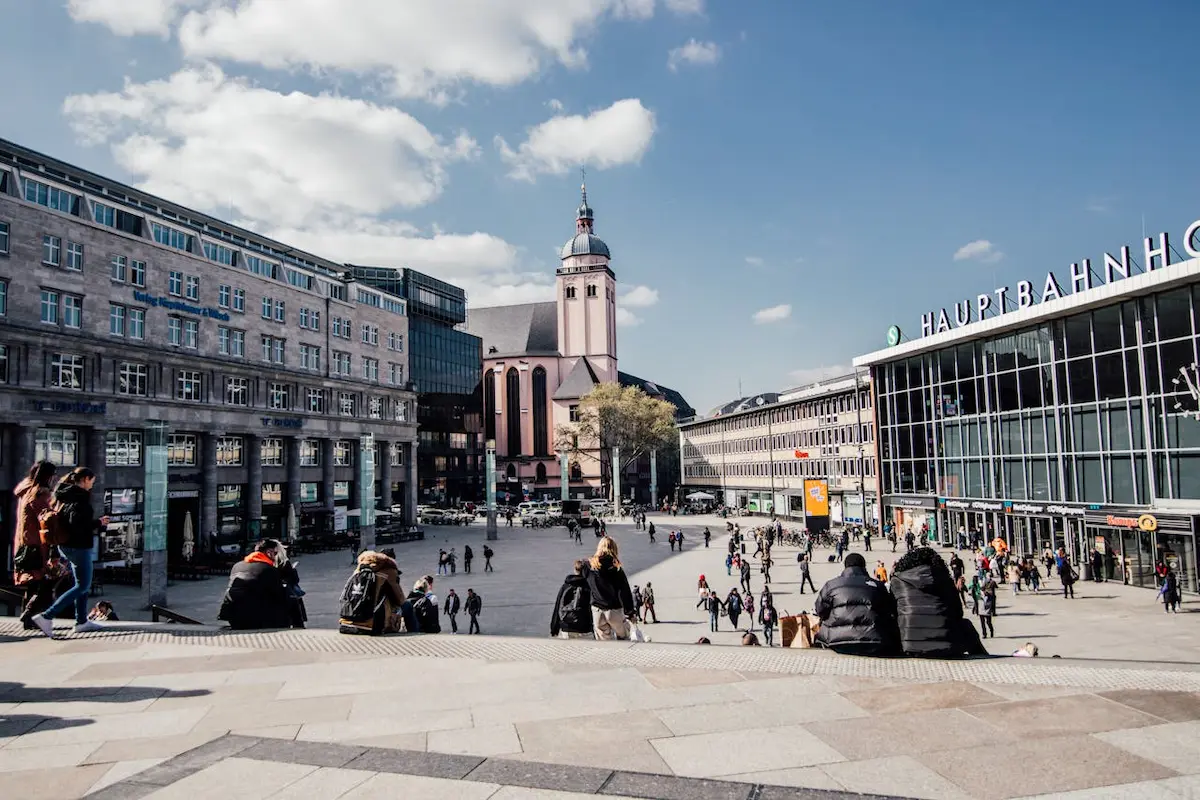
Salaries run 5–15% below Frankfurt: Cologne’s 2025 SWE median is €63,224 per Glassdoor, seniors median €77,000 with top decile €112,000, and senior range €72,900–89,000 per Levels.fyi. Juniors start around €49,600–59,500. DeepL and the gaming studios are salary outliers; traditional media and insurance tech pay at or slightly below the median.
Rent is the selling point. The 2026 1BR city-centre figure is €1,179 — the cheapest of Germany’s major tech cities. The city average is €15.68/m²; Innenstadt sits at €15.96/m², Ehrenfeld at €15.51/m², and up-and-coming Kalk at €13.70/m². The Belgisches Viertel and Agnesviertel offer Altbau-and-concept-store charm in the €15–19/m² band. Ehrenfeld is the creative/DeepL neighborhood of choice, centered on the Carlswerk office campus. Südstadt is the laid-back option. Cologne’s rent has been catching up fast, though — Q3 2025 saw the steepest new-build rent growth in Germany (+2.9%).
English-friendliness is Cologne’s weakest metric. The InterNations 2024 survey ranked Cologne 48th of 53 overall, and 60% of surveyed expats called daily life “anything but easy” without German — the worst score among German cities surveyed. International employers (DeepL, RTL Group’s international arm, ESL) run in English; everyone else expects conversational German.
The Rhine lifestyle compensates. Karneval, Kölsch beer culture, the Dom, Europe’s largest CSD pride parade, and direct ICE connections to Frankfurt (62 minutes) and Paris (3h15) all matter in practice. A 2026 QoL Index of 177.9 places it just above Berlin. For engineers whose partners don’t work or who work remote-European, Cologne offers the best affordability-to-lifestyle ratio in the top tier. Düsseldorf’s corporate pay and airport sit 25 minutes away by regional train.
Emerging cities: Leipzig, Dresden, Düsseldorf, Stuttgart
The four secondary cities each solve a specific problem Berlin and Munich don’t.
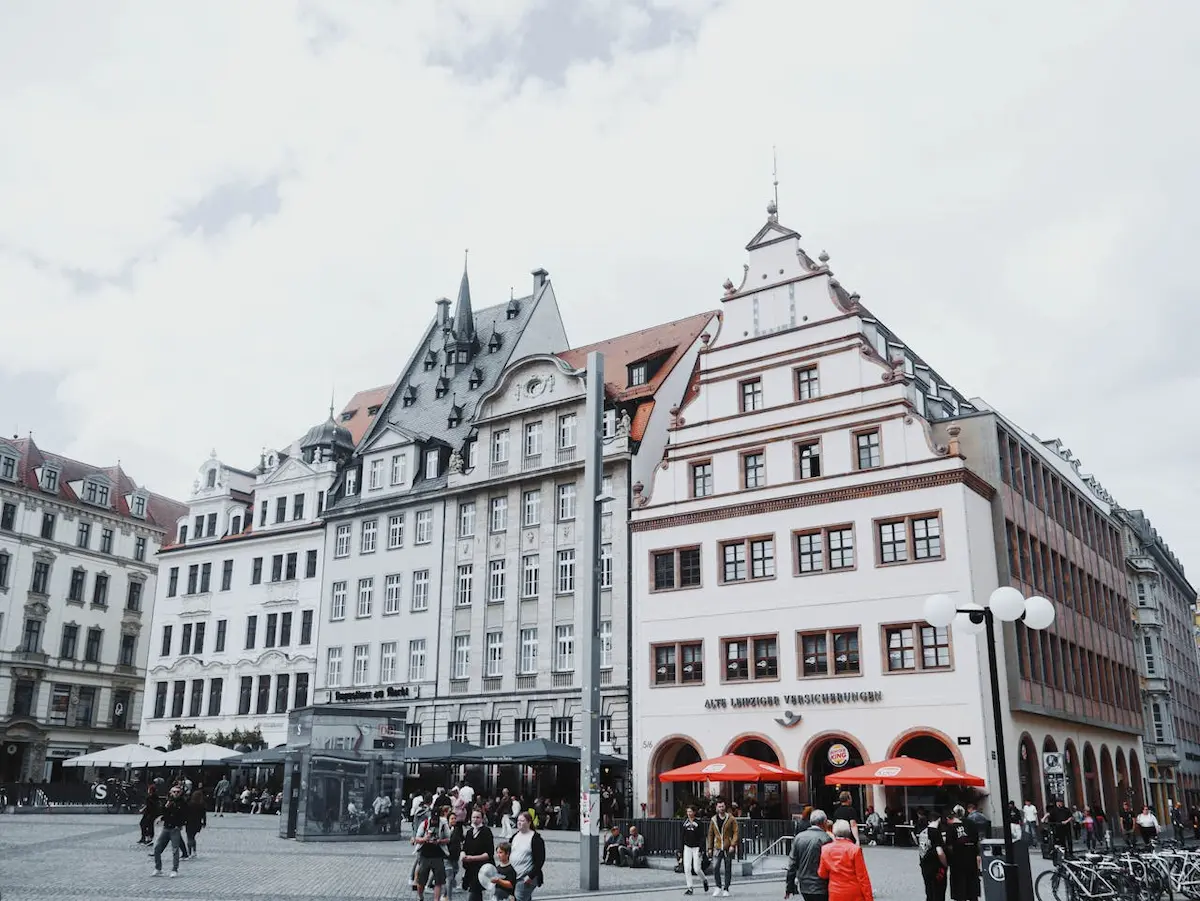
Leipzig is the cheapest real city in Germany. GREIX’s Q2 2025 rental price is €10.10/m² — less than half of Munich’s €22.82. The 2026 1BR city-centre rent is €811, 45% below Berlin. The tech ecosystem is real but modest: 134 tracked startups (StartupBlink 2026), anchored by BMW Plant Leipzig (6,800 permanent employees, a record 246,195 vehicles produced in 2024), Porsche Leipzig (~5,000 employees, producing Macan and Panamera), DHL’s European air hub, and Spreadshirt. Software-specific median salary runs €55,000–58,000. The “new Berlin” narrative has real cultural weight — fast population growth, Plagwitz arts scene — but tech job depth lags Berlin by an order of magnitude.
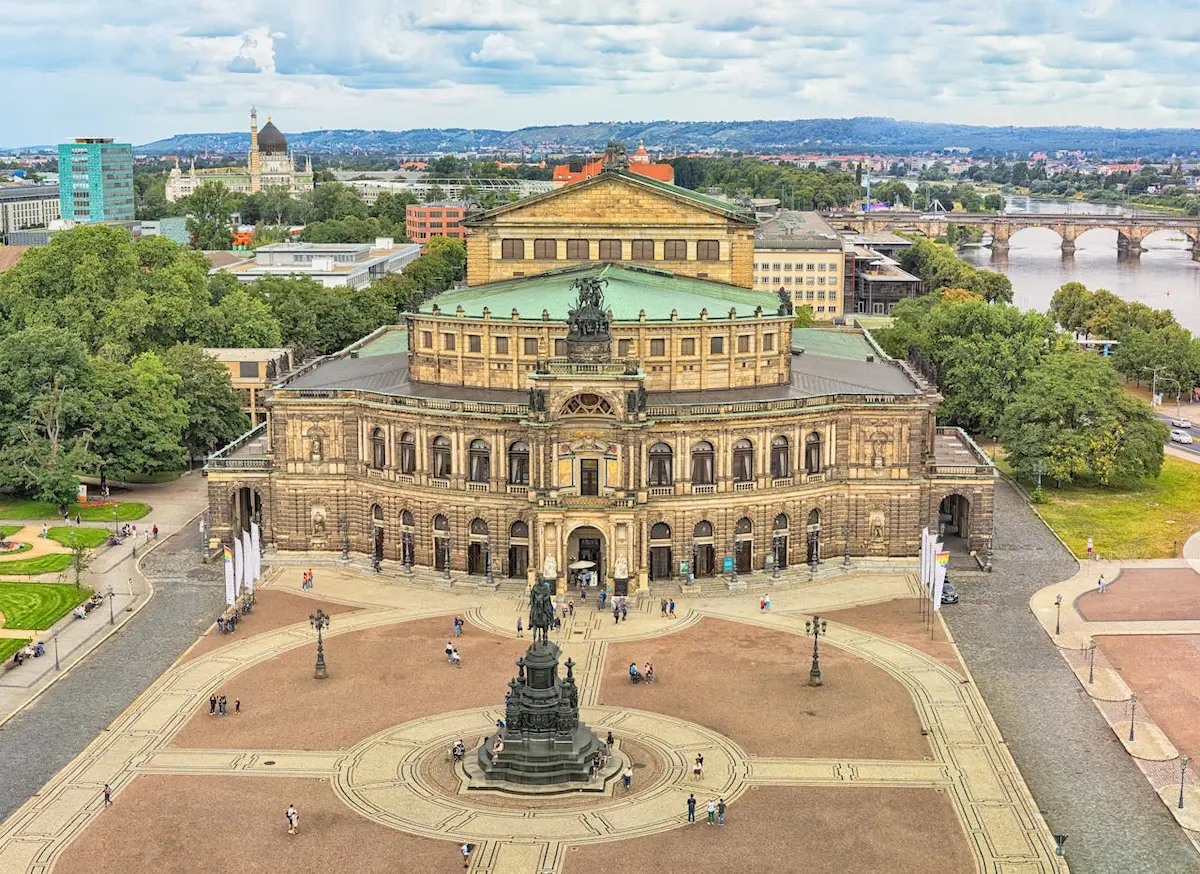
Dresden is Europe’s semiconductor capital, and that will only intensify. Silicon Saxony hosts 600+ member organizations and ~81,000 ICT/microelectronics employees, projected to reach 100,000 by 2030 and already producing roughly one-third of Europe’s chips. Infineon Dresden (3,200 employees with €5B expansion), GlobalFoundries, Bosch’s 2021 fab, and now the TSMC ESMC fab (groundbreaking August 2024, production targeted late 2027, ~2,000 direct high-tech jobs, €10B+ investment with €5B EU state aid) — this is a durable structural bet. Rent matches Leipzig: 1BR city-centre €839, GREIX €9.89/m². If you work in silicon, embedded systems, or EDA, Dresden may be the best long-term play in Germany.
Düsseldorf is the international corporate city. Trivago (NASDAQ-listed, ~1,500 at peak), Vodafone Germany HQ, Henkel, Metro AG, auxmoney, and Ubisoft Blue Byte anchor a diversified corporate tech base. The Japanese community is Europe’s third-largest after London and Paris — roughly 8,400 Japanese nationals in the city, 15,000 in the metro, and 500+ Japanese companies employing ~50,000 people in the region. SWE median is €63,025; 2026 1BR city-centre rent is €1,247. Düsseldorf had the largest QoQ rent increase of any major German city in Q2 2025 (+1.5%), so get in early.
Stuttgart is the automotive-embedded premium. Mercedes-Benz HQ, Porsche HQ, Robert Bosch HQ, Daimler Truck, MAHLE, and IBM Germany (Ehningen) cluster here, and the industry-wide transition to software-defined vehicles has sent AUTOSAR, ADAS, and battery-management hiring through the roof. Stuttgart’s 2025 SWE median is €77,000 — the highest of any German city by this metric — with Mercedes-Benz SWE total comp at €94,499–98,300 (Levels.fyi December 2025). 2026 1BR rent is €1,254 and Stuttgart ranks #1 in Germany for local purchasing power. The trade-offs: German is effectively required, housing is tight, and the city has the worst startup density of any Top-10 German tech city. If you want embedded systems money, you come here anyway.
The real comparison: 85K gross salary after rent in each city
A German net-salary calculation for 2026 — tax class 1, single, no children, no church tax, average Krankenkasse Zusatzbeitrag — on €85,000 gross yields €4,223/month net (€50,675/year). That’s the reference point. The only variables that matter across cities are rent and lifestyle cost. Using 2026 1BR city-centre warm rents as a comparable baseline, the effective disposable income ranks as follows.
| City | Gross salary | Net/month | Median 1BR (warm) | Leftover/month | Verdict |
|---|---|---|---|---|---|
| Leipzig | €85,000 | €4,223 | €811 | €3,412 | Most leftover, smallest tech pool |
| Dresden | €85,000 | €4,223 | €839 | €3,384 | Near-best ratio, semiconductor specialist |
| Cologne | €85,000 | €4,223 | €1,179 | €3,044 | Best major-city ratio |
| Düsseldorf | €85,000 | €4,223 | €1,247 | €2,976 | Corporate-heavy, English-capable |
| Stuttgart | €85,000 | €4,223 | €1,254 | €2,969 | Higher salary absorbs rent |
| Frankfurt | €85,000 | €4,223 | €1,329 | €2,894 | Fintech pays above €85k baseline |
| Hamburg | €85,000 | €4,223 | €1,332 | €2,891 | Strong for the salary tier |
| Berlin | €85,000 | €4,223 | €1,486 | €2,737 | Ecosystem premium you pay for |
| Munich | €85,000 | €4,223 | €1,638 | €2,585 | Least leftover on the reference salary |
The reading: Munich’s salary premium does not survive its rent premium at €85,000 gross. Munich’s median dev salary runs roughly 7–10% above Berlin’s, but its 1BR rent runs 10% higher than Berlin’s and 39% higher than Cologne’s — which erases the nominal advantage for any engineer not at Google, Apple, or Celonis senior levels. Stuttgart is the exception: its automotive premium pushes comparable engineers to €95,000–100,000 total comp, restoring the purchasing-power advantage. Leipzig and Dresden give you €800 more per month than Berlin at the same gross, which over five years is €48,000 of invested capital. The opinionated call: below €95,000 gross, Munich is a lifestyle purchase, not a financial decision. Above €110,000 in a FAANG or Celonis role, the calculus flips.
You can stress-test your own numbers using iwill.work’s net salary calculator, which accounts for Saxony’s different care-insurance split (Dresden and Leipzig net about €30/month less) and family status. For the full gross-to-net breakdown by level, see what software developers actually take home in Germany.
Which German city fits your origin country?
International tech workers searching for German tech jobs come predominantly from a handful of countries — India, Pakistan, Bangladesh, Turkey, Brazil, Vietnam, and the Philippines dominate Google search volume for “software jobs Germany” and “immigrate to Germany” queries outside the EU. Diaspora depth matters more than the rankings above suggest: a large existing community means grocers who sell the spices you want, a cricket or futsal league, weekend religious services in your language, and a local WhatsApp group that will help you find an apartment in two weeks instead of five months.
-
Indian tech workers cluster in three cities by a significant margin: Munich, Frankfurt, and Berlin. Munich wins on salary (BMW, Siemens, Infineon, Apple, Google all hire heavily from India); Frankfurt wins on diversity of banking/SAP-adjacent engineering and the proximity to the giant SAP campus in Walldorf; Berlin wins on startup density and English-language friction. Hamburg and Stuttgart are growing fast but the community is thinner. Hindu temples in Frankfurt, ISKCON centres in Berlin and Cologne, and Bollywood cinema screens in Munich are all reliable community anchors.
-
Pakistani tech workers gravitate toward Frankfurt, Berlin, and Hamburg — Pakistani diaspora in Germany is growing quickly (tens of thousands as of 2025) but remains smaller and more geographically dispersed than the Indian community. Frankfurt’s Ordnungsamt is the most reliable of the big cities, which matters for applicants routing through Islamabad’s 12+ month visa backlog. See our Blue Card guide for the accelerated §81a fast-track procedure, which is the only reliable way to skip the Islamabad queue.
-
Turkish tech workers have the largest existing diaspora of any non-EU origin in Germany — Berlin alone hosts over 200,000 people of Turkish descent, and Cologne, Duisburg, Munich, and Stuttgart all carry deep community infrastructure dating back to the 1960s guest-worker programmes. Berlin is still the default choice for Turkish tech talent, both for the community and the English-language startup scene.
-
Brazilian tech workers concentrate in Munich and Berlin. Munich attracts senior engineers to Siemens, BMW, and SAP; Berlin picks up the startup pipeline (N26, Zalando, and HelloFresh all hire heavily from Brazilian bootcamps and Recife’s Porto Digital). Portuguese-speaking community churches exist in both cities and Frankfurt.
-
Vietnamese tech workers have historically strong communities in Berlin (especially Lichtenberg and Marzahn, dating from East German guest-worker agreements) and in Leipzig and Dresden. If you value Vietnamese community depth combined with rent affordability, Leipzig and Dresden are genuinely without peer in Germany.
-
Filipino tech workers are a newer and smaller community, most concentrated in the Rhine-Ruhr area (Cologne, Düsseldorf, Essen), Berlin, and Munich. The German–Philippine double-taxation agreement and a relatively streamlined bilateral recognition framework make Germany one of the fastest EU destinations for Filipino engineers.
The practical test: before you accept any offer, search the city on Facebook Groups, Meetup, and InterNations for your origin country’s community. If three active groups exist with recent events, your relocation softens by 50%. If only one dormant group shows up, budget extra isolation for year one. For employers with experience sponsoring from these countries specifically, browse visa-sponsoring and relocation-supporting employers on iwill.work.
Which city should you choose?
Match the city to your profile, not the other way around. The data supports clear defaults.
Startup-minded and English-only: Berlin. Nothing else competes on English working culture, scale-up density, or community. Accept the LEA as a fixed tax on the experience. Browse companies hiring in Germany to filter by Berlin scale-ups.
Family, quality of life, corporate pay: Munich, if you can afford it. For senior engineers at Google, Apple, Microsoft, Celonis, or Allianz tech, the Alps, safety (index 78.9), schools, and total compensation justify the rent. For mid-level engineers under €90,000, Munich erodes your purchasing power.
Balance of salary, cost, and livability: Hamburg. The quietly strong choice. You trade English access for a smaller, saner housing market than Berlin and a better QoL index than Cologne.
Fintech, banking, international travel: Frankfurt. If you want to optimize salary in pure financial technology and value being four hours from Paris by train, the case is clean.
Budget-conscious plus Rhine lifestyle: Cologne. Best affordability-to-culture ratio among major cities. Requires German for daily life.
Automotive, embedded systems, ADAS: Stuttgart. The highest-paid engineering roles in Germany are here. Expect to learn German.
Future bet plus affordability: Dresden. TSMC’s ESMC fab comes online in late 2027. Silicon Saxony will add ~20,000 tech jobs by 2030. Rent is under €850. This is the long-position trade.
Maximum disposable income: Leipzig. If your work is remote or you’re early-career at Spreadshirt or a BMW/Porsche software team, nowhere else leaves €3,400 per month after rent on an €85,000 salary.
Frequently asked questions
Is Berlin or Munich better for tech jobs?
It depends on specialization, not preference. Berlin wins for startups, English-first work, and junior-to-mid engineers: higher English job share (14% vs 11%), lower barrier to entry, and a deeper scale-up bench. Munich wins for senior engineers at corporates and global tech: higher median salary (€64,750 vs ~€58,000 city medians), stronger presence from Google, Apple, Microsoft, Celonis, and automotive/industrial giants. On effective disposable income at €85,000, Berlin leaves you €152/month more than Munich after rent. On quality-of-life index, Munich beats Berlin 206.4 to 174.5. If you work in B2B SaaS or consumer startups, Berlin. If you work in systems, chips, or enterprise software, Munich.
Which German city pays developers the most?
Stuttgart, on a median basis, with a specific specialization caveat. Stuttgart’s 2025 software engineer median is €77,000 — higher than Munich’s ~€73,000 and Berlin’s €70,000 — driven by automotive-embedded demand from Mercedes-Benz, Porsche, and Bosch. Munich holds the highest city-wide median across all jobs (€64,750, Stepstone 2026). Frankfurt’s fintech sector pays the highest industry premium at a €70,250 sector median. At senior levels, Munich’s FAANG satellites (Google, Apple, Microsoft) likely deliver the highest individual total compensation in Germany, but the median developer earns most in Stuttgart.
Which German city is easiest for English speakers?
Berlin, by any serious measure. Roughly 14% of job listings are in English; 56% of startups operate primarily in English; 42% of Berlin startup employees are foreign-born. Frankfurt is the strong second thanks to ECB, Goldman, JPMorgan, and international banking. Düsseldorf’s international corporate base and large Japanese community make it the strongest non-startup English environment. Munich’s MNCs are English-friendly, but traditional Bavarian firms and the KVR are not. Cologne, Stuttgart, Leipzig, and Dresden all require German for meaningful daily life. The honest career ceiling — and the 50+ employers that genuinely hire in English — is in Working in Germany Without Speaking German.
Is Frankfurt good for tech jobs?
Yes, if you work in fintech, regtech, enterprise banking tech, or enterprise infrastructure. No, if you want startups. Frankfurt’s 2026 city median salary (€64,000) is second only to Munich, and banking-industry tech salaries carry a 10–20% premium over generalist roles. The Trade Republics and N26s of the world are Berlin-based; Frankfurt is where the banks’ engineering teams, Deutsche Börse’s crypto platform, and the new EU AMLA regulator live. You also get Europe’s best-connected airport and 8–12 week immigration processing — both meaningfully better than Berlin or Munich.
Is Leipzig good for tech workers in 2026?
Yes, for a specific profile: remote-first, cost-sensitive, early-to-mid career. Leipzig’s 1BR rent of €811 is half of Munich’s and 45% below Berlin’s. On an €85,000 salary, Leipzig leaves €3,412/month after rent — €675 more than Berlin. The 134 tracked startups and BMW/Porsche manufacturing-tech roles give real local options, but the tech depth is a fraction of Berlin’s. If your employer is fully remote or you’re targeting BMW Leipzig, Porsche Leipzig, or Spreadshirt, it’s a strong financial decision. If you need an active local tech ecosystem with dozens of interview options, choose Berlin or Munich. The Ausländerbehörde is also genuinely faster — typically 4–8 weeks versus Berlin’s indefinite contact-form queue.
Which city has the largest Indian / Turkish / Vietnamese tech community?
Indian developers concentrate in Munich (Siemens, BMW, Infineon, Apple, Google) and Frankfurt (banking + SAP corridor). Turkish developers have their largest community in Berlin — over 200,000 people of Turkish descent — plus deep infrastructure in Cologne and Stuttgart from the 1960s guest-worker generation. Vietnamese developers have historically strong communities in Berlin (Lichtenberg/Marzahn) and Leipzig/Dresden from East German guest-worker agreements. See the origin-country section above for community anchors and city recommendations specific to Indian, Pakistani, Turkish, Brazilian, Vietnamese, and Filipino tech workers.
Conclusion
The best cities for tech jobs in Germany 2026 are not ranked by salary — they’re ranked by what’s left after rent, what language you work in, and how long your visa takes. On effective disposable income, the order is Leipzig > Dresden > Cologne > Düsseldorf > Stuttgart > Frankfurt > Hamburg > Berlin > Munich. On English-first work, it’s Berlin > Frankfurt > Düsseldorf > Munich > Hamburg. On quality-of-life index, Munich > Frankfurt > Stuttgart > Düsseldorf > Hamburg > Cologne > Berlin. No city wins all three. The question “where to live in Germany as expat tech worker” has a different answer at €60,000 gross (Leipzig or Cologne) than at €120,000 gross (Munich or Stuttgart). Pick the constraint that actually binds your decision — visa timeline, language, rent-to-salary ratio, or specialization — and the city falls out of the data. The Deutschlandticket at €63/month works everywhere, so inter-city mobility is cheap if you guess wrong.
If your next question is whether your role qualifies you for a Blue Card and how fast permanent residence comes, start with the EU Blue Card Germany 2026 guide. For the full journey from job hunt to landing, follow the step-by-step relocation guide — and once you’ve arrived in your chosen city, the first 90 days post-arrival checklist sequences the Anmeldung-to-eAT admin in order. If you want to stress-test exact take-home in your chosen city, use our Germany net salary calculator. And if you’re ready to browse roles with filters for city, experience, salary, and visa sponsorship, start on /jobs.